The science of yarn count explained: From Ne 80/2 to Ne 240/2
How can a simple numerical ratio dictate the sheer elegance and longevity of a bespoke shirt? This technical analysis provides the "yarn count explained" to demystify how Ne 120/2 and Ne 240/2 notations represent the mathematical pinnacle of textile fineness and structural integrity. We examine the inverse logic of indirect measurement systems where higher numbers signify the superior, silk-like textures required for true luxury garments.
- Deciphering the Yarn Count Logic and the Slash Notation
- 3 Key Differences Between Indirect and Direct Systems
- How Does Plying Affect the Physical Diameter of Fine Yarn?
- Technical Verification and Structural Density in Weaving
Deciphering the Yarn Count Logic and the Slash Notation
To the uninitiated, the numerical codes etched onto fabric swatches appear as cryptic ciphers. Yet, these digits dictate the very soul and tactile performance of a high-end shirt.
The Mathematical Meaning of Length per Weight
The indirect system operates on a specific inverse logic. It calculates how many hanks weigh exactly one pound. This determines the yarn's density.
Higher numbers signify more length per pound. Consequently, the fiber is significantly finer and more delicate. This remains the absolute gold standard for those seeking true luxury cotton fabrics.
For most yarn count systems, a higher number equals a finer yarn, representing the number of hanks per pound.
We focus primarily on the English Cotton Count (Ne). This unit is the universal benchmark for high-end shirting global standards.
Lower counts produce much bulkier, heavier yarns. For master weavers, precision in these measurements is paramount for achieving a refined drape.
The Structural Significance of the Ply Number
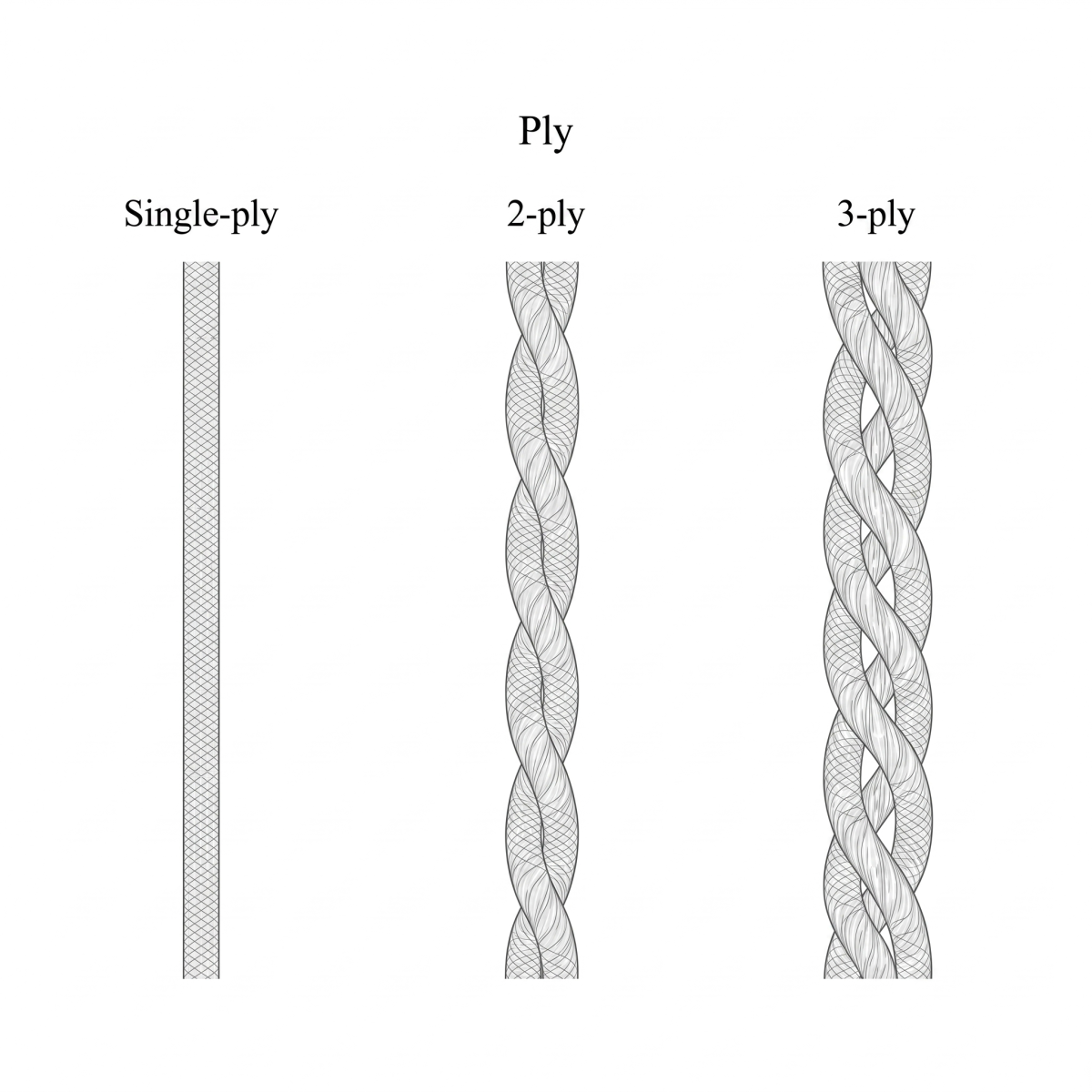
The digit following the slash indicates the number of single strands twisted together. Most premium like our ALUMO fabrics utilize two-ply construction, traditionally denoted by the /2 notation.
Plying creates a rounder and smoother yarn. This structural reinforcement significantly enhances durability. It effectively prevents the finished fabric from pilling during regular wear.
Single-ply Ne 120s are often fragile and noticeably fuzzy. Conversely, our Ne 120/2 yarn is stable, crisp, and engineered to endure through countless sensitive washings.
Two-ply construction is not just a preference; it is a structural necessity for any shirt that claims the title of luxury.
Comparing the Tactile Profile of Ne 120/2 and Ne 240/2
Ne 120/2 serves as the quality benchmark for durability. Ne 240/2 offers a silk-like, second-skin feel using rare Giza 45 or Sea Island cotton.
A Ne 120/2 construction remains the industry benchmark for superior quality. But a Ne 240/2 feels like a second skin. It is exceptionally silky, lightweight, and ethereal.
These elite counts require extra-long-staple fibers. We specifically utilize Giza 45 or Sea Island cotton. These materials allow for extreme fineness without compromising fiber integrity.
We weave these yarns with immense tension and rigorous precision. The result is a fabric possessing a natural luster. This brilliance simply defies any synthetic imitation. See also our Salvatore Triplo quality, which reflects light with its 3-ply round structure.
.png)
3 Key Differences Between Indirect and Direct Systems
Moving from the "what" to the "how," we need to look at the two competing philosophies of measurement that rule the textile world.
The Inverse Logic of Metric and English Cotton Counts
Metric (Nm) and English Cotton (Ne) counts operate as indirect systems. We must remember that a higher numerical value indicates a finer yarn. This counter-intuitive principle remains vital for precise textile selection. To be precise, a yarn count of Ne 200/2 equals Ne 100/1 seen by thickness.
The fixed weight principle governs these calculations. One pound of cotton serves as the constant. The variable remains how long one can spin that specific mass.
Industry experts prefer the Ne system because it rewards fineness. It highlights the skill involved in spinning incredibly thin, consistent strands for high-density poplins. Such precision defines superior fabric quality.
We categorize the primary indirect measurements as follows:
- Ne (English Cotton unit)
- Nm (Metric)
- NeL (Linen)
- NeW (Worsted)
Direct Density Metrics for Specialized Fibers
Tex and Denier define the direct measurement systems. Here, a higher number signifies a thicker, heavier yarn. It is a different system than the traditional cotton system logic.
Synthetics and silks, and mostly other types of products (like tights), frequently utilize Denier for thickness grading.
Worsted and Linen systems use variations of the indirect system. However, they employ hank lengths for their specific calculations.
Mixing these systems leads to disastrous weaving errors. Precision in identification is mandatory for any serious textile project.
Mathematical Formulas for Precise System Conversion
To convert Nm to Ne, a simple coefficient is required. Multiply the Nm value by 0.59 to obtain the English Cotton equivalent accurately.
Calculating length is equally straightforward. You can make sure to have enough yardage by calculating in kilos. This prevents running out of yarn mid-weave.
| System | Logic | Higher Number Means | Common Use |
|---|---|---|---|
| Ne (English Cotton) | Indirect | Finer | Cotton |
| Nm (Metric) | Indirect | Finer | Wool, Cotton (depending on countries) |
| Denier | Direct | Thicker | Silk / Synthetics (Tights) |
| Tex | Direct | Thicker | Industrial Synthetics |
How Does Plying Affect the Physical Diameter of Fine Yarn?
While the numbers give us a mathematical framework, the physical reality of the yarn on the loom is a bit more complex.
A Ne 120/2 yarn is more compact than two separate Ne 60/1 strands. The twisting process compresses fibers into a unified structure.
.png)
The Non-Linear Relationship Between Plying and Thickness
Twist contraction remains a fundamental principle. When we ply two strands, they wrap around each other. This action actually shortens the yarn and alters its effective density.
A Ne 120/2 yarn never possesses double thickness. The strands nestle into each other's grooves during rotation.
Fiber Density Variations Between Cellulose and Protein
Cotton and silk exhibit distinct profiles. Even at an identical count, they look different. Cotton is more opaque and possesses more body than protein-based silk.
Fiber absorption dictates the final surface. Cotton swells slightly during processing, creating a cohesive surface for a crisp finish. Visual volume remains deceptive in textile analysis.
The inherent lightness of silk allows for a finer profile despite identical numerical ratings.
True textile expertise lies in knowing that the number of the yarn is only half the story of the fabric's final drape.
Technical Verification and Structural Density in Weaving
Understanding the yarn is one thing, but verifying it and applying it to the loom is where the technical mastery truly shows.
Correlating Yarn Count with EPI and PPI Density (weaving process)
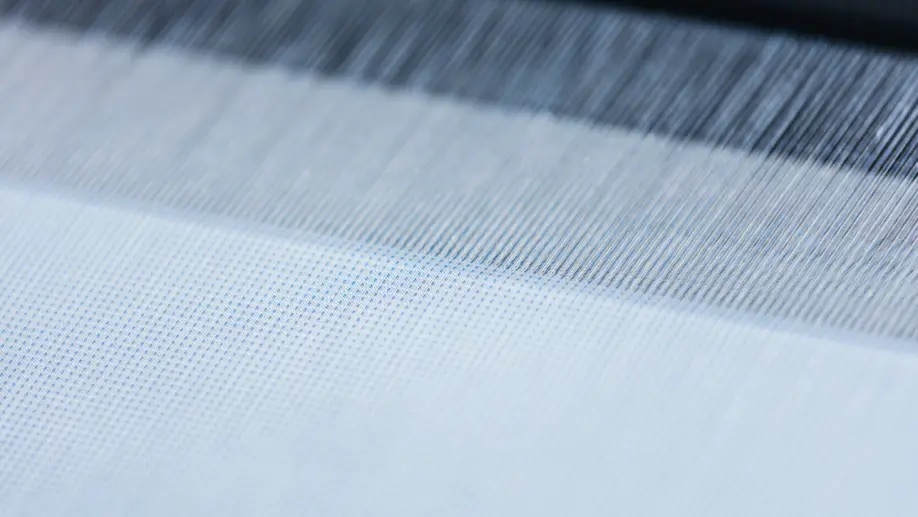
The Ends Per Inch (EPI) defines the structural foundation of the warp. Finer yarns allow for a higher density of threads. This precision achieves the smooth, tight surface characteristic of a superior poplin.
Picks Per Inch (PPI) measures the weft's integration into the weave. The exact number of picks is the receipe of the fabric and can be changing from fabric quality to the next with the same yarn count.
High counts, such as Ne 200/2, produce exceptionally light yet opaque fabrics. This is also depending on the density, so how many ends and picks there are. We find this to be the ultimate balance for a formal business shirt. It represents the pinnacle of textile engineering and comfort.
.png)
Mastering the nuances of yarn count explained ensures your selection of Ne 120/2 or Ne 240/2 fabrics achieves the ideal balance of durability and silken refinement. By verifying ply and density, you guarantee a garment of superior structural integrity and lasting prestige. Elevate your sartorial standards today with the definitive touch of high-count excellence.
FAQ
What does the numerical yarn count, such as Ne 120/2, actually signify in high-end shirting?
In the realm of fine textiles, the yarn count is an indirect measurement of fineness. The first number represents the length of yarn that can be spun from a fixed weight, specifically in the English Cotton system (Ne). Therefore, a higher number indicates a finer, more delicate strand.
The second digits, following the slash, reveal the ply of the yarn. A "/2" signifies that two individual strands have been twisted together to create a single, unified thread. This two-ply construction is essential for luxury fabrics, as it imparts superior strength, a smoother hand-feel, and enhanced durability compared to single-ply alternatives.
How does a Ne 240/2 fabric differ from a Ne 120/2 in terms of tactile quality?
While a Ne 120/2 yarn is widely regarded as the benchmark for a high-quality professional shirt (see Supraluxe), offering an admirable balance of longevity and comfort, the Ne 240/2 represents the absolute pinnacle of textile engineering. A Ne 240/2 fabric is exceptionally lightweight and possesses a silken texture that feels like a second skin. Such extreme fineness requires the rarest extra-long-staple fibers, such as Giza 45 cotton, to maintain structural integrity.
Why is the yarn count system considered "indirect" for cotton and linen?
The indirect system, encompassing Ne (English Cotton) and Nm (Metric), operates on an inverse logic: the higher the numerical value, the finer the yarn. This is because the weight remains constant while the length varies.
Conversely, direct systems like Denier or Tex—commonly used for silk and synthetics—measure the weight of a fixed length. In those instances, a higher number indicates a thicker, heavier yarn. Distinguishing between these two philosophies is paramount.
Does doubling the ply result in a yarn that is twice as thick?
Yes, as the industrially produced yarn is not so much affected by it.
How can one verify the yarn count if the original labeling is unavailable?
To ensure absolute precision, we advise untwisting a small section of the yarn end. This allows for a visual and physical confirmation of the ply, ensuring that the structural integrity of the thread meets the rigorous standards required for bespoke weaving.